

 Español
 Deutsch
Core Competency: CNC Grinding
CNC Cylindrical grinding is critical for a machine tool builder like UNISIG. High–speed spindles, precision tooling, and power transmission components need more than just accurate machining. Our CNC grinding capabilities take accuracy to the next level. We use sub-micron positioning and high-speed motion controllers to grind threads, tapers, and non-round components in addition to OD and ID features.
How We Do it Better
We are set up for high-mix grinding of engineered components. We have invested in workholding and tooling to enable quick changeover with minimal effort. Because we grind parts produced in our machine shop, designed by our engineers, and programmed from the same models, we can control planning for stock allowance and setup strategies to make grinding highly productive. Our grind shop includes three high-tech CNC universal cylindrical grinders of various sizes. This allows targeted tooling and workholding for productivity, while providing flexibility for work center planning and scheduling.
Outside Diameter (OD) Grinding
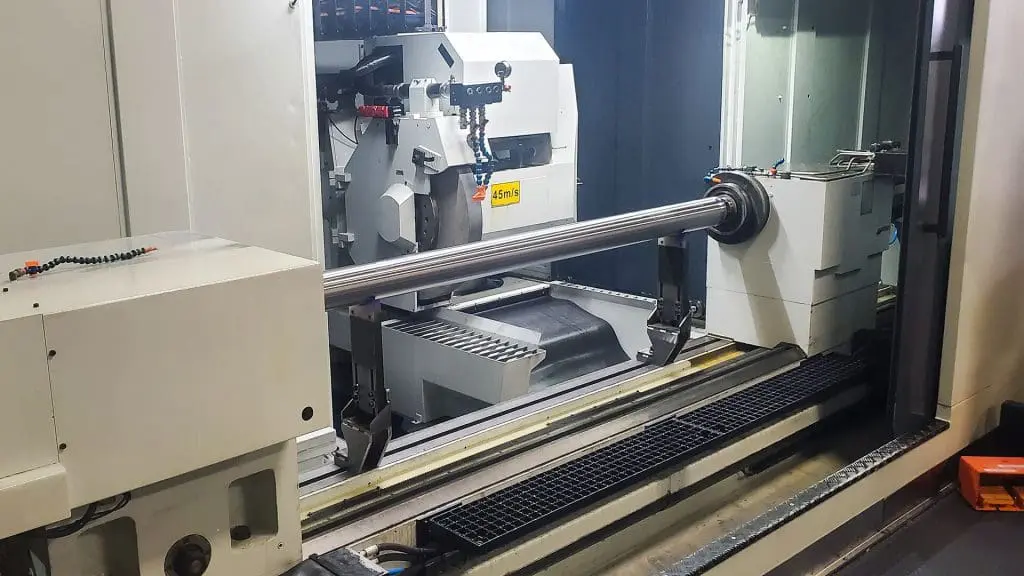
Grinding the outside diameter of parts is the most basic form of cylindrical grinding, but that does not mean it is simple to do well. Wheel selection, feeds and speeds, workpiece support, and measurement all come together to produce a precise cylindrical form. Super-accuracy spindle bearings require precision tolerances on bearing journals. Rotating assemblies and tooling rely on OD grinding for proper function.
Productive OD grinding comes from a solid understanding of the process. Roughing strategies to bring the part close to size, followed by finishing operations to achieve final tolerances, can remove hours or even days from a grinding operation.
- Maximum OD grinding diameter: 850 mm (33.5 in)
- Maximum OD grinding length: 3,050 mm (120 in)
- Maximum workpiece weight: 5,000 kg (11,025 lbs)
Inside Diameter (ID) Grinding
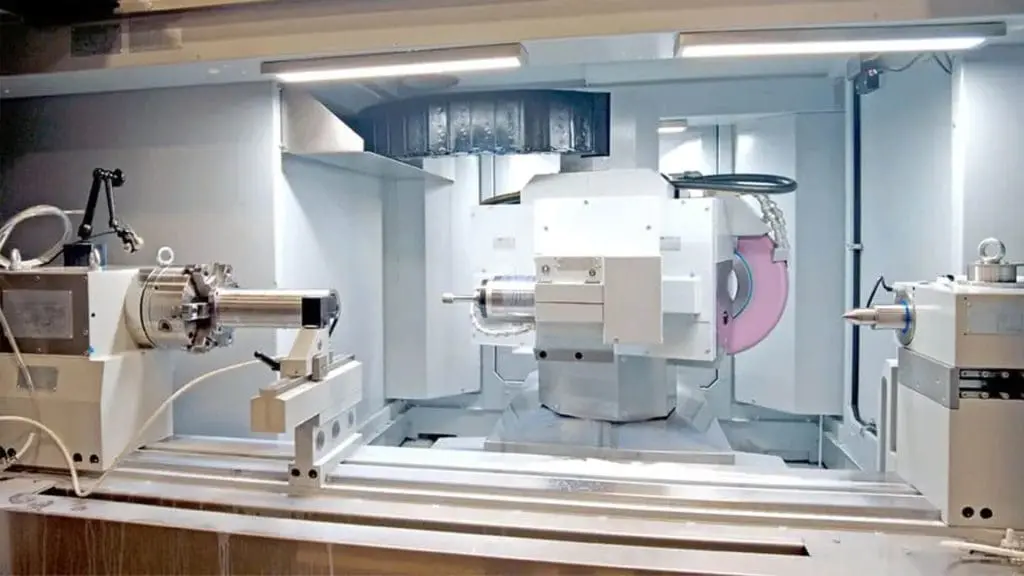
All CNC cylindrical grinders at UNISIG are universal machines, meaning they include a B-axis and a dedicated spindle for ID grinding, called by the program. ID grinding in the same machine and setup as OD grinding creates opportunities for improved accuracy and productivity, compared to using dedicated machines.
- Minimum ID grinding diameter: 4 mm (0.16 in)
- Maximum ID grinding diameter: 900 mm (35 in)
- Maximum standard ID grinding depth: 500 mm (20 in)
- Maximum special ID grinding depth: 1,000 mm (40 in)
Face and Shoulder Grinding
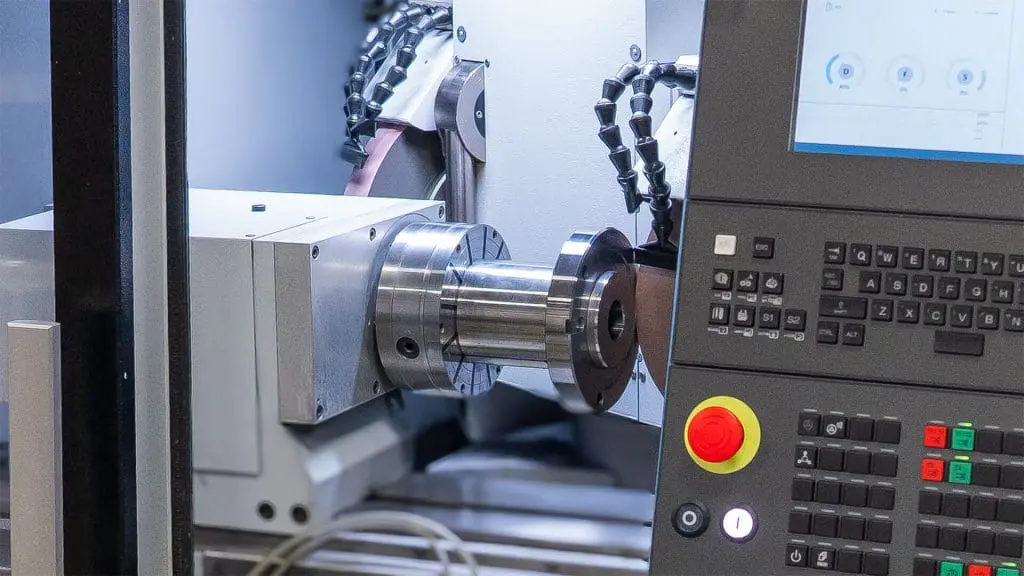
Many parts for UNISIG machines require OD, ID, and shoulders to be ground with very close geometric tolerances between all features. Our universal grinders include a second wheel with a beveled face, along with a wheel dressing system, to grind faces and shoulders as programmed by the CNC.
Actuated high-precision probes measure the workpiece and set offsets, eliminating guesswork when holding tight dimensional tolerances across multiple faces and shoulders.
- Maximum face grind diameter: 1,000 mm (40 in)
Taper and Form Grinding
The B-axis on our grinding machines allows machinists to program an exact angle of rotation and grind tapers. This is a superior method for producing uniform tapers compared to grinding an angle on a wheel face when a machine does not have precision angle control.
Precision forms can be ground using a diamond dresser and the CNC contouring capabilities of the machine. Hydrostatic guideways on our larger machines enable even the heaviest parts to be ground with extremely tight tolerances, including tapers and special forms.
- This capability is available up to the maximum OD and ID capacities of our grind shop.
Thread Grinding
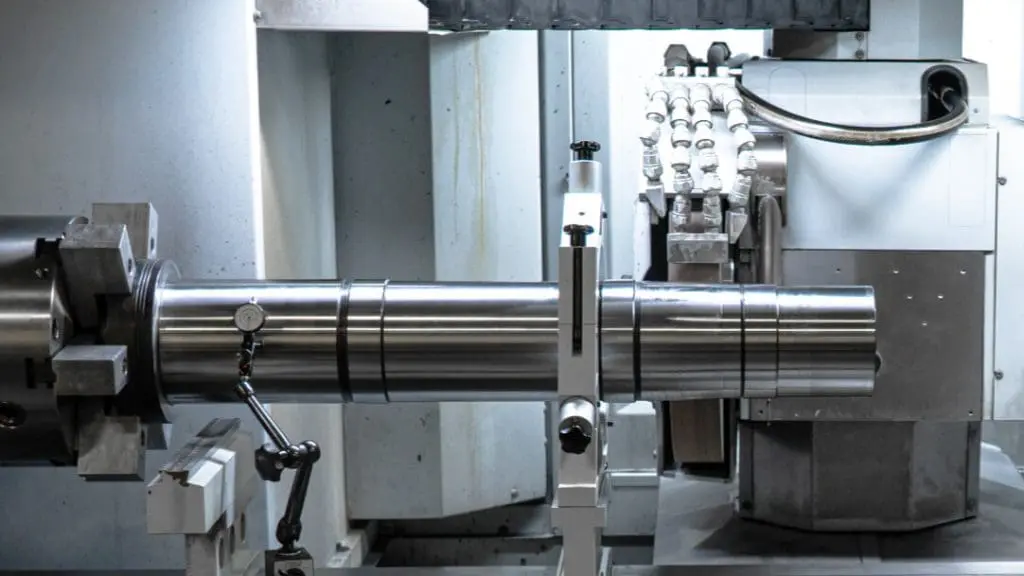
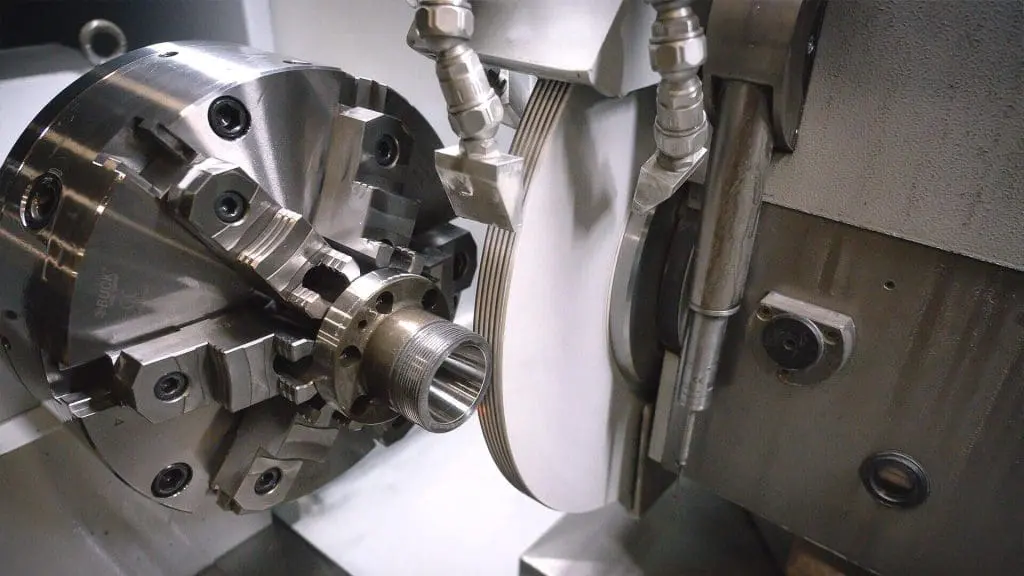
Precision threads are required for components in the highest accuracy class of machine spindles and improve the performance of certain toolholders and workholding that UNISIG produces. CNC thread grinding is performed on our highest-accuracy grinders.
Thread grinding is best performed in the same setup as machining bearing journals or housing bores to minimize geometric errors. Our CNC grinders dress the precision metric V-thread form into the wheel, then rough and finish the threads, which are gauged on the machine.
- This capability is available up to the maximum OD and ID capacities of our grind shop.
Non-round Grinding
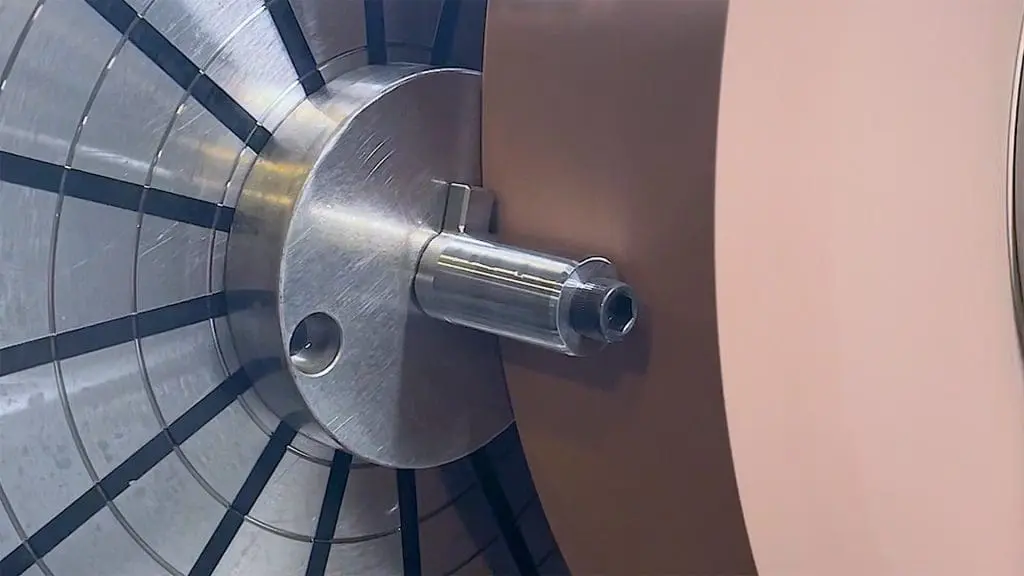
UNISIG uses modern grinding machines equipped with high-speed processors, high-resolution linear encoders, and rigid mechanical systems. This enables interpolated motion to produce non-round forms.
Grinding bores off-center, creating cam profiles, and even grinding rectangular keys in cylindrical workpieces are all possible. These capabilities allow our engineering team to design stronger, more compact assemblies that meet customer expectations for value.
- This capability is available up to the maximum OD and ID capacities of our grind shop.
UNISIG CORE COMPETENCIES
Mechanical Engineering | Electrical Engineering | CNC Machining | CNC Grinding | Fabrication | Mechanical Assembly | Electrical Assembly | Precision Calibration | Machine Service | Training